Last week Japanese telcos finally told the public what social media users have known since the middle of April: scammers are using SMS blasters to send smishing messages to mobile phones within range. For example, NTT Docomo, Japan’s largest mobile operator, added the following announcement to their website on May 15:
不法無線局によるものと疑われる携帯電話サービスへの混信について
–フィッシング詐欺などのSMSにご注意ください–…不法無線局によるものと疑われる携帯電話サービスへの混信や、フィッシング詐欺目的と思われるSMS受信が発生しています。株式会社NTTドコモは、総務省の不法無線局対策の取組みに対して、必要な情報収集・提供などを通して協力していきます。
…不審なSMSを受信された場合は、本文に記載されているURLにアクセスしたり、IDやパスワード、個人情報などを入力したりしないようご注意ください。怪しいサイトにアクセスした場合は、速やかにサイトを閉じ、念のため閲覧履歴やCookie情報を削除してください。
Regarding interference to mobile phone services suspected to be caused by illegal radio stations
— Beware of phishing scams and other SMS —
…interference with mobile phone services suspected to be caused by illegal wireless stations and receipt of SMS messages believed to be for phishing scams have been reported in some cities, including around Tokyo. NTT DOCOMO will cooperate with the Ministry of Internal Affairs and Communications’ efforts to combat illegal wireless stations by collecting and providing necessary information.
…If you receive a suspicious SMS, be careful not to access any URLs mentioned in the text or enter any IDs, passwords, personal information, etc. If you access a suspicious site, close the site immediately and delete your browsing history and cookies just to be safe.
Similarly-worded announcements were also added to the websites of mobile operators KDDI, Softbank and Rakuten Mobile on May 15.
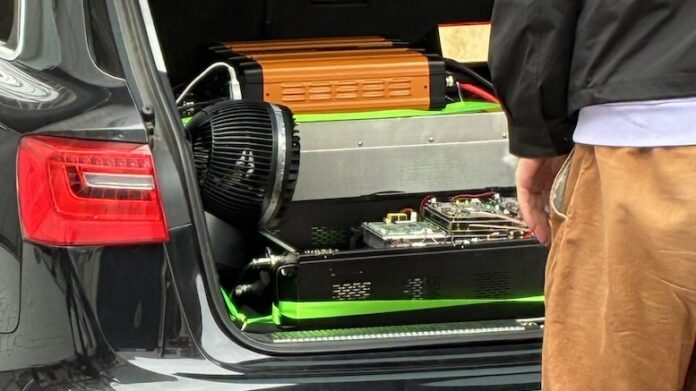
The revelations about multiple SMS blasters being driven around Tokyo and Osaka began with a post to X on April 12 by a radio enthusiast named ‘Radio Yakuza’. He noticed that his phone was not connected to a conventional base station and had been degraded to a 2G connection. Radio Yakuza soon deduced he was within range of a fake base station which he then located in a nearby car (pictured). Other social media users joined the investigation, and their joint efforts soon unveiled a pattern of illegal activity involving multiple fake base stations that is consistent with cases involving SMS blasters found in other countries.
The Japanese government initially refused to answer questions about the discovery of SMS blasters even when asked in parliament. The government only changed course and admitted the crime was occurring on May 2. Nothing of substance has yet been said about the action that telcos and the police intend to take.
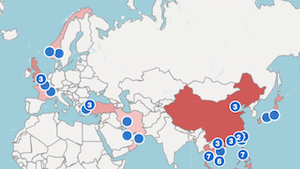
The use of SMS blasters to send fraudulent messages reveals sharp contrasts in the way different countries tackle consumer protection. Police in mainland China have produced public information videos to explain how SMS blasters work. The authorities in Thailand and the Philippines have loudly and repeatedly warned the public about the risk posed by SMS blasters. Police in Türkiye recently emulated other countries by providing the media with photographs of raids where scammers were arrested and false base stations seized. The use of SMS blasters in France was so well publicized that a rapper wrote a song called ‘IMSI-Catcher’ in response. The rulers of other countries take a contrary approach, trying to suppress awareness of fake base stations. They evidently believe it is better for the public to be ignorant of fake base stations in their midst even if it means they are more likely to be tricked into following the links in smishing messages.