

Weekly Update
Dramatic Fall in Complaints about Spam and Scam Calls on Both Sides of the Atlantic
But there remain big differences in the number of complaints lodged by Americans and Brits. In other news, the IoT Security Foundation reports on the international adoption of vulnerability disclosure policies.
SMS Blaster Drivers Paid $68 Per Day: Four Arrests for Maxis Smishing Scam
Police also seized two SUVs that were used to carry the SMS blasters around Greater Kuala Lumpur. In other news, Thai law enforcement shut down a gang that operated 642 simboxes across 11 locations.
Police Find SMS Blaster That Sent a Million Smishing Messages in 3 Days
Also in the news: Indian minister reports success with coordinated blocking of spoofed mobile numbers; Danish Navy detains Chinese ship after Baltic submarine cables were cut; SIM swap syndicate busted in South Africa; and what an AI grandma tells us about confused priorities.
What to Do about Racist Texts?
A big story about racist SMS messages sent to black Americans needs to be seen in the context of other pressures upon the way society uses communication technology.
Hard Data Shows Why Phone Honeypots Would Stop Illegal Comms
New research by North Carolina State University also says spammers have adapted to STIR/SHAKEN and that 80% of unsolicited US robocalls have a STIR/SHAKEN signature.
Finding the Ultimate Solution to Impersonation Fraud
The future of authenticating communications is currently being written, but you need to know where to read about it.
Will Big US MNOs Ever Be Punished for Scam Calls Traced to Them?
This week's update includes an examination of data produced by the US Industry Traceback Group, plus news about dodgy telco revenue audits in Uganda and the repatriation of Filipino scammers from Laos.
The Abuse of Global Title: The World Is Bigger Than You Think
Everybody should support the GSMA code seeking to reduce the abuse of Global Title, but very few have. The abuse of Global Title represents the tip of an international iceberg of corruption stretching from the oppression of journalists in Cambodia to state-sanctioned surveillance in Chile.
South Korean Police Offers Cash and Reduced Sentences to Scammers Who Turn Informant This Month
Authorities in South Korea want scammers to return from compounds in China, Cambodia and the Philippines. In other news, NZ police found the country's first SMS smishing blaster.
Registries, Timezones, Molehills and a Man Named Bhavesh: How Silos Give Scammers an Advantage
This week we examine how regulators are creating or overcoming barriers to cooperation via news from Australia, the UK and the USA.
Bombs, Breaches, APIs and Networks of Mass Destruction
There is both a physical and digital dimension to trusting suppliers, as apparent from Ericsson's bid to harmonize network APIs, excuses for an AT&T privacy lapse, and mayhem in Lebanon.
The Commsrisk Global Fraud Dashboard
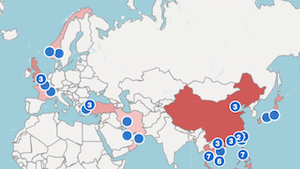
Our Global Fraud Dashboard uses AI-powered search to collate, update and visualize data about scams and other network abuses from around the world. New charts are added each month. See it here.
Get Our Weekly Newsletter by Email
