A 28 year old Malaysian man has been given a prison sentence of 21 months this week after he admitted to driving an SMS blaster around Singapore, per reports from Channel News Asia. The man initially believed it was being used to send illegal messages that advertised online gambling but the messages actually contained links to a phishing website. The purpose of the phishing website was to obtain the WhatsApp credentials of victims. This is the first recorded case of an SMS blaster inside Singapore.
The man, named Ong Kak Seng, agreed to drive the device because he owed around MYR80,000 (USD19,800) to loan sharks. In exchange for driving the car, a loan shark named Bai Ge offered to pay Ong MYR1,000 (USD250) per day. This was almost 10 times more than Ong expected to make for legitimate driving jobs in Malaysia. Bai Ge told Ong that he would be using the SMS blaster on behalf of a ‘boss’ in China and gave him the choice of working in either Hong Kong or Singapore. Ong chose Singapore because this would allow him to drive his own car instead of incurring the expense of renting one. Bai Ge provided instruction on how to assemble the components of an SMS blaster and told Ong he should drive around the most heavily populated parts of Singapore. He also arranged accommodation for Ong in Singapore.
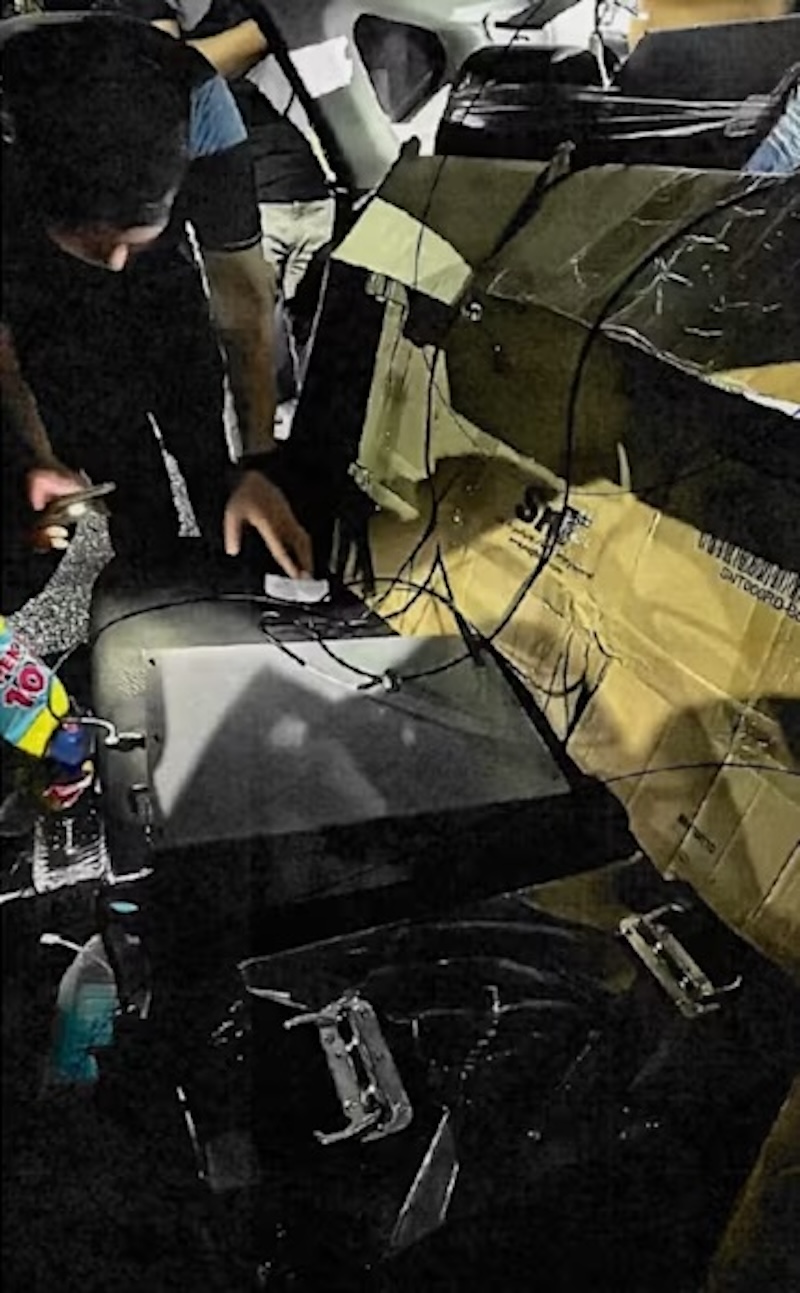
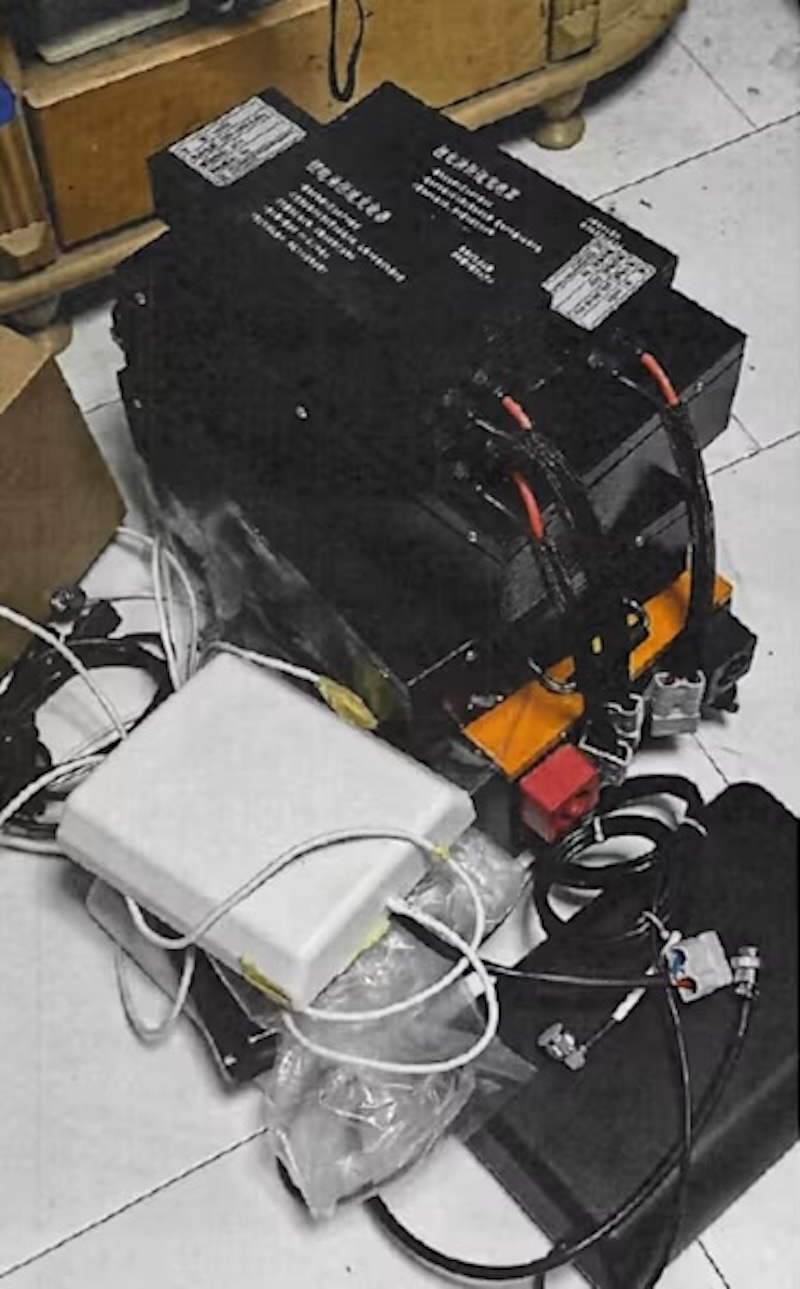
Ong traveled to Singapore on October 11, 2025, where he received the components for the SMS blaster and battery packs from a go-between. Ong assembled the SMS blaster the following day. He then joined a Telegram group that included Bai Ge and several people believed to be from China, including the ‘boss’ that Bai Ge reported to. A photograph of the assembled SMS blaster in the rear of his car was shared by Ong with the group as proof he was ready to work. Two mobile phones were purchased by Ong from a store in Geylang, in the central region of Singapore. An application he downloaded was used to control the SMS blaster.
Ong began driving the device around Singapore on October 13, doing shifts of between 10 and 12 hours each day. He did this every day until November 18, when he was arrested as part of a nationwide police operation to locate the origin of scam messages targeting WhatsApp users.
Per his testimony, Ong was originally told that the SMS blaster would be used to promotine illegal gambling platforms. However, Ong read the messages that were sent and discovered that they falsely claimed the recipients needed to re-establish their access to WhatsApp. When he visited his sister in Singapore a few days later, Ong warned her that SMS messages were being used to phish WhatsApp account credentials. Ong was motivated to protect her because she had previously fallen victim to a scam. Per the prosecutor in this case:
As the accused knew that his sister might receive the WhatsApp account phishing messages transmitted by the SMS blaster device in his motorcar, the accused informed his sister not to visit any webpage on any WhatsApp or text messages that she received.
The police analyzed the SMS blaster and concluded that it had sent 10,533 WhatsApp smishing messages during the time Ong was operating it. In total, 31,820 mobile phones had been within its range during the period Ong drove it around Singapore. The scam was linked to one recipient of the WhatsApp smishing message being tricked into transferring SGD1,800 (USD1,400) into a bank account controlled by somebody else. The prosector noted the difference between the high number of potential victims and the relatively low amount that was stolen in total. However, the prosecutor partly attributed this to police warnings about scam messages, and observed that some victims of scam WhatsApp messages may not have come forward yet.
It is worth reiterating elements of this case that fit familiar patterns of criminal activity.
- This was the first case of its kind where a driver has been arrested for using an SMS blaster in Singapore, but there have been multiple cases of SMS blasters being used around the busy transport hub on the other side of the border with Malaysia.
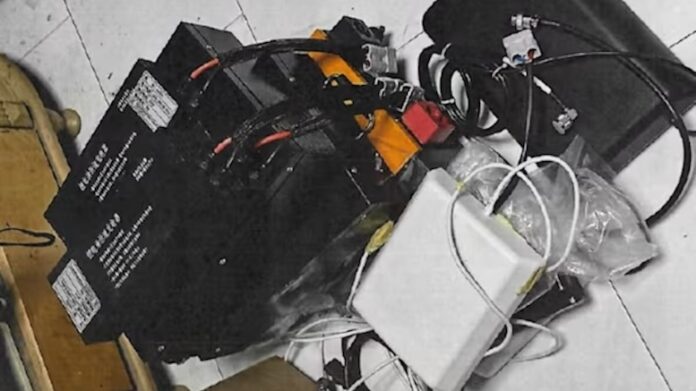
- Photographs indicate similar equipment to that found in previous SMS blaster cases.
- The driver in this case claimed to be ultimately working for Chinese gangsters.
- Scams that target ethnic Chinese victims are often linked to illegal gambling operations.
- There is a history of SMS blasters being used to advertise illegal gambling services as well as being used for smishing.
- Criminals targeting victims in countries with sophisticated anti-scam strategies now only use basic telecom services as a gateway to online communication services such as WhatsApp.
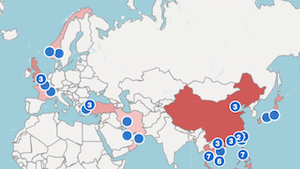
This case has been added to the global map of SMS blaster activity in the Commsrisk Global Fraud Dashboard. Commsrisk maintains the most comprehensive and accurate map of SMS blaster usage worldwide, partly to remind professionals that criminals know how to spread their methods across international borders even if antifraud professionals only learn from peers within their own country, or from peers who speak the same language as them.
We use automated multilingual AI-powered searches to identify new reports of SMS blasters every day. We then vet the reports so our map only includes cases linked to a reputable source of information. That is why our map does not include the fake news reports circulated by less responsible distributors of information about fraud. We have seen bursts of fake news reports about SMS blasters being found in the USA, India, and most recently in Argentina. Keep visiting the Commsrisk Global Fraud Dashboard to get a reliable picture of the spread of SMS blasters and other trends in communications fraud.
Court documents included photographs of the equipment in this case; they have been reproduced below. The reporting of this story by Channel News Asia can be found here.