
Telcos and regulators around the world have recently been sharing a lot of good news about the automated blocking of bad traffic.
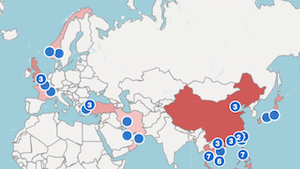
- A few weeks ago, the Italian regulator AGCOM issued a press release about the effectiveness of new mandatory blocks on inbound international calls that spoof Italian landline numbers. AGCOM reported that 43 million calls had been blocked between the inception of the new blocking rule on August 19 and September 9. That equates to 1.3 million calls per day, or 5.74% of all the calls that Italians would have received.
- Last month, the Spanish government announced 48 million fraudulent calls had been blocked since the introduction of new rules in March. Over 400,000 calls were blocked per day during June and July; this is approximately double the rate that existed before the introduction of the new rules, which requires calls from unassigned numbers to be blocked as well as the blocking of inbound international calls that spoof a Spanish landline number. Over 2 million SMS messages were also blocked during the same period, another significant increase.
- Irish regulator ComReg published an information notice a fortnight ago which revealed 100 million calls have been stopped since new blocking and reporting rules became mandatory in October 2024. The new requirements that came into effect include blocking numbers on a do-not-originate list, blocking numbers listed as unassigned, and blocking inbound international calls that spoof Irish landline and mobile numbers. The number of blocked calls has sometimes seesawed from one month to the next but there are now between three to six times more calls blocked each month relative to how many were voluntarily blocked before October 2024.
- Australian market leader Telstra issued a press release during August that advised they are currently blocking around 18 million calls and 8 million SMS messages per month. Telstra were one of the pioneers of automated blocks on scam calls, so it is informative to see how many more calls they are blocking now compared to the 3 million calls Telstra’s CEO talked about blocking during July 2019. He thought that number justified an exclamation mark but they are blocking six times as many calls now!
Endre Syvertsen of Telenor Linx took to social media to echo the trend recently, saying there has been a 30% increase in the number of calls his telco has blocked over the last year. However, Syvertsen’s LinkedIn post applied a very different interpretation to this news than you would get from most politicians and executives:
We now flag one third of all calls we handle as fraudulent and block them. This is not sustainable and an issue threatening the entire industry’s reputation!
? Over the past year, we have seen a 30% increase in blocked calls and it is increasing. Whilst this shows that detection systems are working harder than ever, it also raises a critical question: Why is fraud still growing despite all the promises to fight it?
Many organizations claim they’re addressing the issue. They are proud to talk about their achievements but from where I stand, it often feels like more talk than action. Paper achievements are just that!
Syvertsen is right. Some telcos and countries have only latterly implemented filters to weed out bad comms traffic, but we all need to be conscious of the long-term trend. Quoting the number of calls which have been blocked will generate positive press for politicians and executives, but the scale of these numbers also indicate that the underlying issue is not being addressed. The communications sector is devoting more and more capacity to traffic that should never be allowed to reach the intended destination. The sources of this traffic are not being eliminated. The criminals responsible for scams are not being discouraged. The bad actors are ramping up their output to compensate for the blocks which have been implemented.
I like Endre a lot, and he is one of the most respected experts working hands-on to tackle fraud in the global comms industry. Sometimes politicians and other decision-makers get dazzled by statistics and anecdotes which do not paint a complete picture of how well, or how poorly our industry is protecting the public from scams. A lot of guff has been said about how to tackle networked crime. There are occasions when more attention should be paid to the character of the individuals who speak about the means to tackle fraud, and I struggle to think of anybody with more integrity than Endre. I consider myself to be a hardliner who is unwilling to compromise, so it says something about Endre’s character that he sometimes appears less willing to compromise than me! It is no easy matter to audit how well a comms provider is tackling scams, and very little effort is put into verifying the claims that comms providers make. So it matters that a man like Endre inspires confidence by being so unyielding in his approach, and we need to pay attention when somebody with such high standards warns there has been too much talk and not enough action.
The danger in reveling in the number of calls that are blocked is that these statistics will foster a false sense of security. Criminals can ramp up the amount of bad traffic they generate because their marginal cost for each additional call is almost zero. What politicians and other decision-makers sometimes fail to appreciate are the reasons why bad actors may choose to throw more traffic at automated blocks. One reason is to take advantage of those occasions when something briefly goes wrong with the systems developed to catch this traffic. Another reason is to probe the defenses to find their limits and weaknesses. Network test business BluGem has repeatedly warned that their global SMS honeypot is receiving scam messages in countries that already have technology which is supposed to stop harmful traffic before it reaches anybody’s phone. Throwing a lot of traffic at automated blocks is a way for criminals to learn exactly where the blocks are ineffective. It can also encourage complacency among the people tasked with fighting crime.
It is my belief that some national anti-scam strategies are failing because they were too heavily influenced by the opinions of engineers and public policy representatives, and too rarely sought the advice of professionals like Endre who have real-life experience of tackling fraud on behalf of network providers. Lots of people are theorizing about the ways criminals will behave when we should be listening to professionals who have experience of how criminals have behaved in the past. What troubles me about the comfort taken from the number of blocked calls is that many fraud managers around the world know there are criminals who deliberately stimulate traffic because they want it to be identified and stopped by anti-fraud systems. This has been common practice for criminals that profit from international revenue share fraud (IRSF). The logic for their approach is simple: if that traffic is being caught and stopped by the telco’s existing fraud department and the methods they use, then it undermines the business case for upgrading the approach or investing in new controls to find other frauds that remain undetected. Any comprehensive anti-fraud strategy should recognize that some criminals have generated large volumes of network traffic to serve as a distraction from the crimes that are actually making profit for them.
So let us take a moment to congratulate the work that is being done to introduce new blocks that protect the public from scams, but we should not spend too long patting ourselves on the back. The six-fold increase in the number of calls blocked by Telstra since 2019 is indicative of what will happen in future if we have no other strategy but to use technology to filter bad traffic as it arrives. Incentives for telcos should be geared to the needs of society by rewarding those telcos that refuse to profit from bad traffic. There also need to be punishments for bad actors. We must begin discriminating between those companies that prioritize the interests of the public and those which choose to benefit from crime. Governments, regulators and law enforcement agencies need to go on the offensive by targeting the criminals that infest the comms sector. Experts like Endre are willing to lead this fight, but they need more support from outside the private sector.