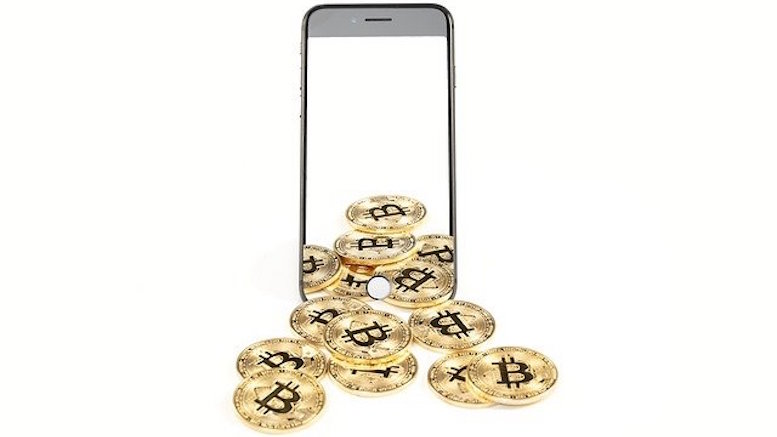
A warning from the USA’s Federal Bureau of Investigation (FBI) says criminals have developed mobile phone games which promise fake prizes in order to lure victims into transferring cryptocurrency to the crooks. The FBI announcement states:
Criminals contact victims online and build a relationship with victims over time. Criminals then introduce victims to an online or mobile game, in which players purportedly earn cryptocurrency rewards in exchange for some activity, such as growing “crops” on an animated farm.
To participate in the game, criminals direct victims to create a cryptocurrency wallet, purchase cryptocurrency, and join a specific game app. The more money victims store in their wallet, the more rewards they will purportedly earn in the game. Victims play the game and see fake rewards accumulating in the app. When victims stop depositing funds into the wallet, criminals drain victim wallets using a malicious program victims unknowingly activated upon joining the game. Criminals tell victims they may reclaim funds by paying additional taxes or fees, but victims are unable to get their money back even if they pay the extra fees.
It is notable that the advice given by the FBI does not tell people to avoid playing games that involve cryptocurrency, but to instead focus on verifying who they are dealing with and who has access to their wallet. They sensibly recommend that funds used to play mobile games be held in a separate wallet maintained only for that purpose. Whilst it would be odd for anyone to hold hundreds of thousands of dollars in the instant-access account they use for day-to-day purchases, the relative immaturity of cryptocurrencies mean users are less likely to split their money between distinct accounts for regular expenditures and for investments.
The reputation of cryptocurrencies has been hurt by the precipitous fall from their peak valuations in 2021, which then led to several high-profile business failures. Though previously thought to be a hedge against inflation, the decline in the value of cryptocurrencies demonstrated they had been buoyed up by the supply of cheap money, which came to an end when central banks started to increase interest rates in order to curb runaway inflation in the wake of the pandemic and the invasion of Ukraine. Nevertheless, the problems now faced by some major mainstream banks also illustrate the issues with fiat currencies, helping to encourage a significant rally in the value of cryptocurrencies since the beginning of the year.
Legitimate users of cryptocurrencies will be frustrated that they are associated with criminal activity. Examples include last week’s sentencing of the founder of Titanium Blockchain Infrastructure Services to four years and three months in prison for his part in a fraudulent initial coin offering that collected around USD21mn from investors. However, prosecutions like these and warnings about smaller scams involving mobile games show that law enforcement is finally accepting the need to protect the public from these kinds of crimes. Cryptocurrencies have value, irrespective of what hardline skeptics may think, and it is appropriate for law enforcement to identify and prosecute the criminals who have previously gotten away with a series of ruses that exploited the easy transferability and pseudonymous nature of cryptocurrencies. If cryptocurrencies are to become mainstream it will be because the authorities have put an end to the lawlessness that has surrounded cryptocurrencies so far.