
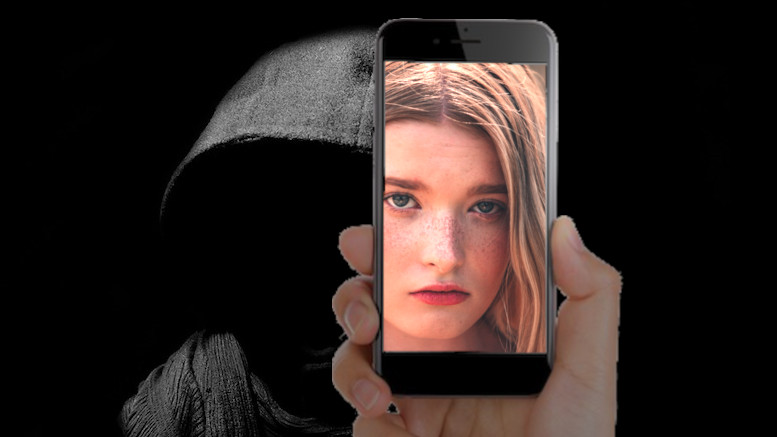
“Mom, these bad men have me. Help me, help me.”
Any parent would be shaken by a phone call from their teenage child saying they had been abducted whilst on holiday. That was what happened to American woman Jennifer DeStefano when she answered a call from an unknown number whilst her 15 year old daughter, Briana, was away from home on a skiing trip, reports ABC News. But whilst DeStefano’s initial reaction was one of panic, she maintained enough presence of mind to refuse the ransom demands of the man who spoke to her next. DeStefano had sufficient presence of mind to independently check that the real Briana was free and unharmed, leading to the conclusion that Briana’s voice had been cloned using artificial intelligence.
This is not the first time that fraudsters have made a phone call using a cloned voice that would sound familiar to the call’s recipient. Back in 2020, police in the United Arab Emirates investigated the theft of USD35mn using a phone call and the cloned voice of a company director to trick a banker into authorizing payments to foreign accounts. As evident from DeStefano’s story, it is not just businesses who will be targeted by criminals using cloned voices.
The truth is that not much can be done to guard against the abuse of cloned voices given the general lack of integrity in determining the origins of a voice call. ABC said ‘experts’ advise the public to keep social media profiles private so criminals cannot obtain access to voice recordings via those platforms. Presumably these tech experts have never heard of TikTok and other popular platforms where the sole purpose is to share recordings. A determined criminal need not copy a voice from social media, but could obtain it from a Zoom call, or just by dialing their target and engaging them in conversation. And I look forward to ABC’s newsreaders choosing to protect themselves by refusing to speak on television ever again.
We cannot defend people by asking them to mute their own voices. What we really need is to restore integrity to voice communications by implementing mechanisms that conclusively tie the origin of each call to a particular identity. Then if you received a call from somebody claiming to be your boss or your child, you would know if it was them before you had even picked up.
The ABC News presentation of Jennifer DeStefano’s story for Good Morning America can be replayed below.