It is no surprise that organized crime syndicates have developed lengthy international supply chains for SMS blasters, a kind of rogue base station that is typically used by fraudsters to send smishing messages which include links to scam websites. SMS blasters have been discovered in too many countries during 2025 and have too often been linked to ethnically Chinese suppliers and operators for all the separate cases to be simply a coincidence. It was only in October that Cambodia was first added to our map of countries with reported cases of SMS messages sent by fake base stations. This may have been because Cambodia was considered too poor for criminals to previously prioritize, or because the local police were making insufficient effort to find rogue base stations operated by fraudsters. Cambodia already has a huge problem with gangsters who run scam compounds and pay corrupt officials to ignore their criminal activities. However, police in Phnom Penh have now provided the best illustration of the systematic supply of SMS blasters by stumbling upon a warehouse where at least a dozen SMS blasters were seemingly stored ahead of their installation in vehicles.
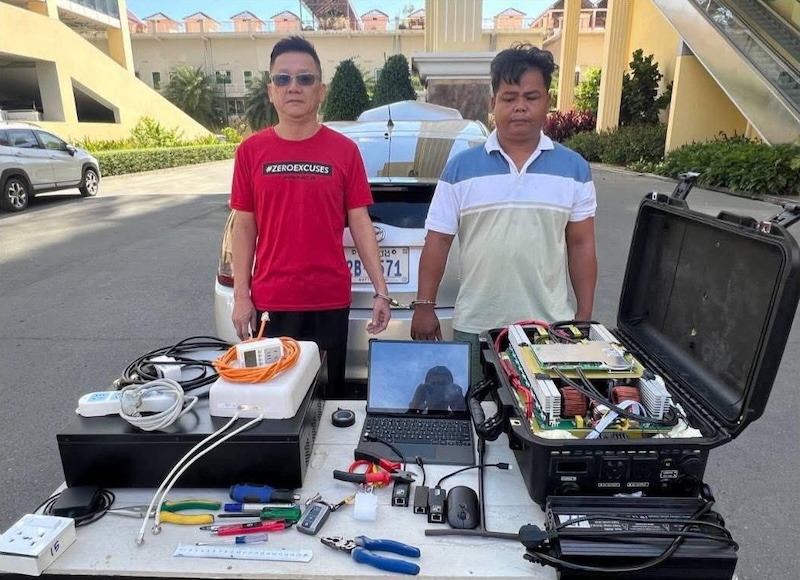
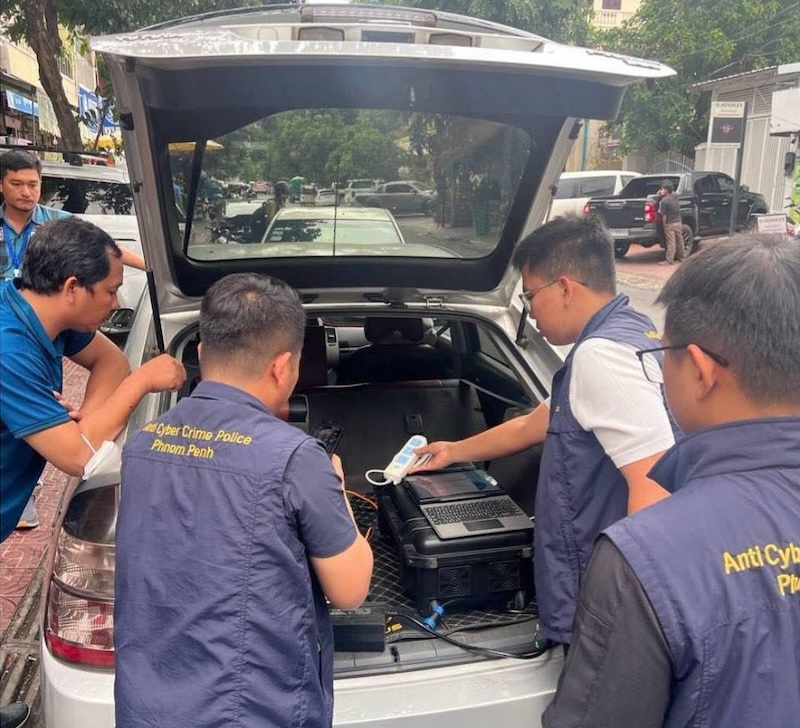
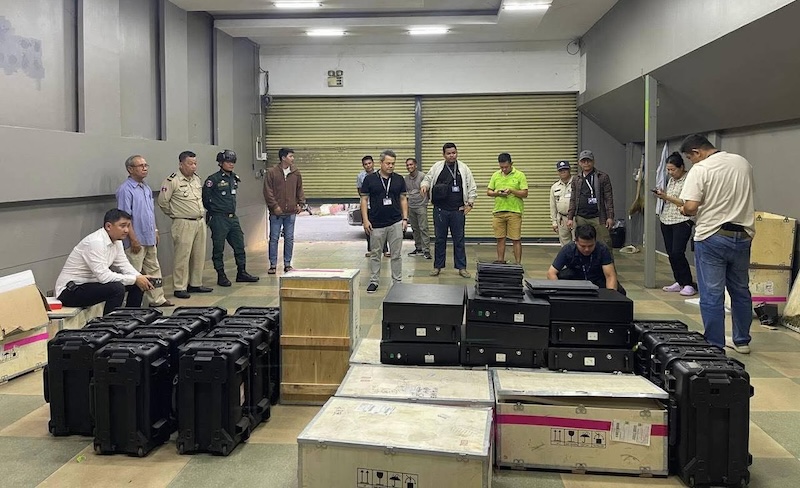
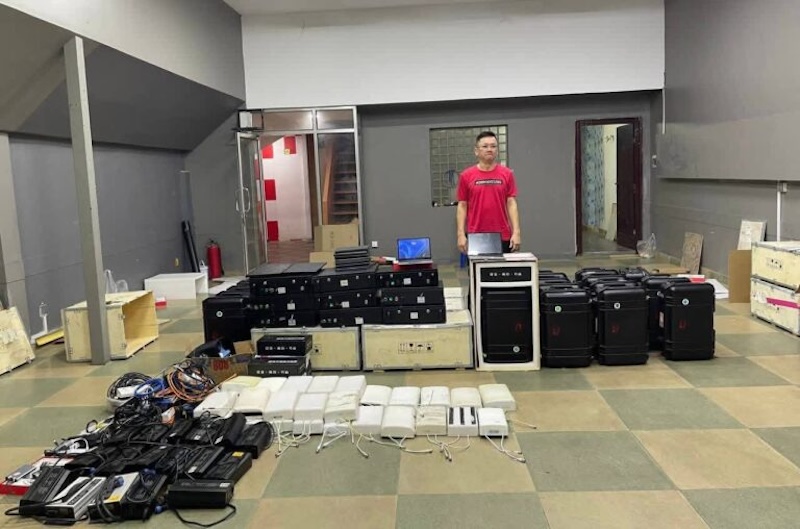
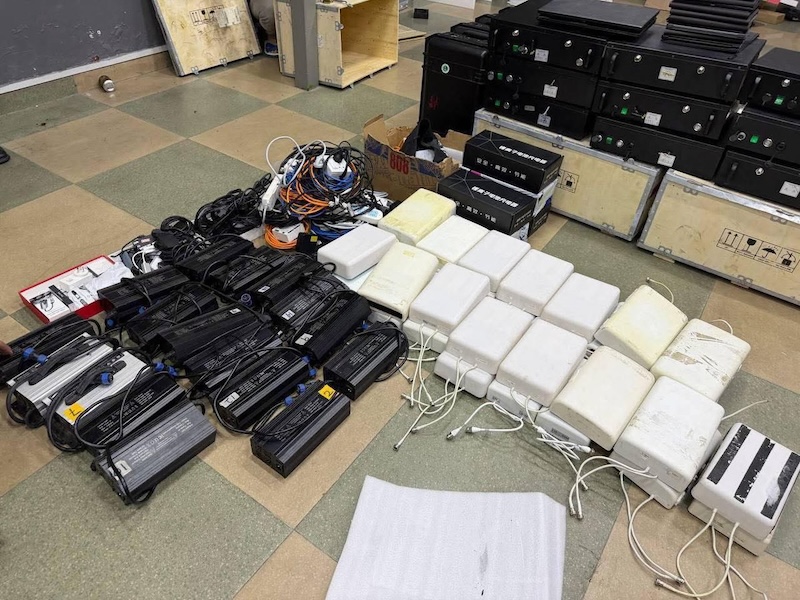
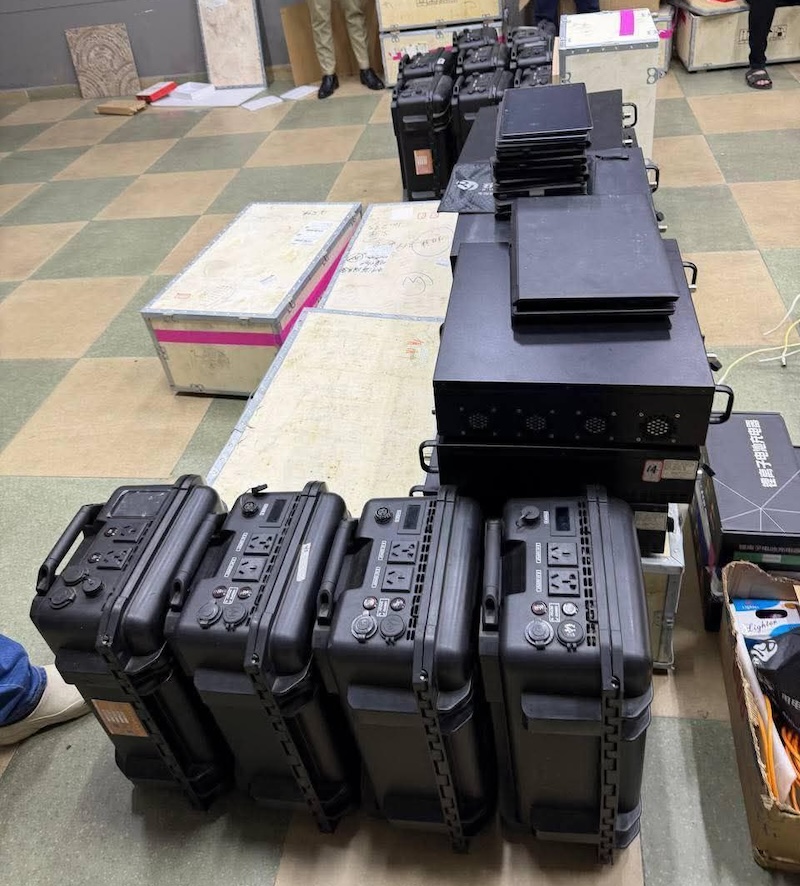
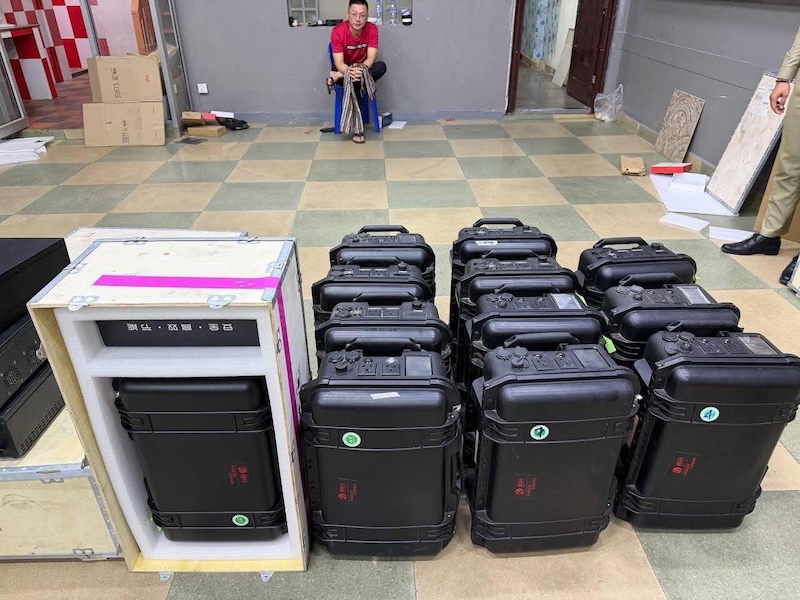
The information given to the press about the police raid was modest but photographs released by the police reveal far more about the scale of the criminal operation they uncovered. The police referred to Chinese, Malaysians and Cambodians being involved in the operation of SMS blasters while pleading with car rental firms to be wary of who they accept as customers. Two men were stopped on December 4 while driving a rented Toyota Prius through Phnom Penh. An SMS blaster was found in the rear of the car. One of the arrested men admitted that he had been persuaded to rent the car and work as a driver for a Malaysian national who communicated with him through Telegram. Interrogation of the Malaysian led to the discovery of images on his phone that showed how to install SMS blasters in cars. The Malaysian had stored telecoms scam equipment in a lock-up property in the Khan Chamkar Mon district of Phnom Penh. Numerous photographs taken within this lock-up suggest around 15 separate SMS blasters were stored there, awaiting delivery to drivers.
Our global SMS blaster map has been updated to reflect this discovery. Photographs distributed by the police of the Toyota Prius and the lock-up have been reproduced below.