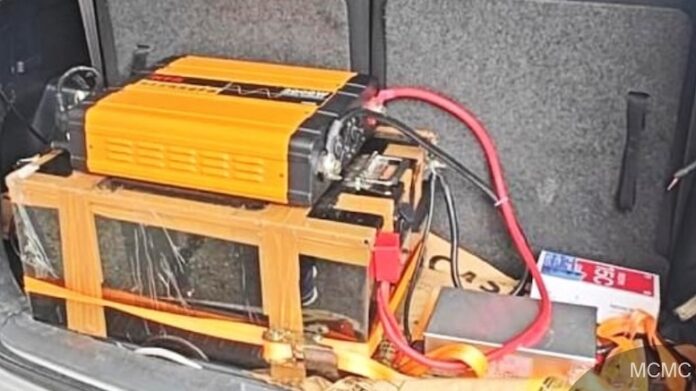
Past performance shows that Malaysia’s comms regulator, the Malaysian Communications and Multimedia Commission (MCMC), is savvy about working with telcos to find SMS blasters, fake base stations which are typically used to send scam SMS messages to any mobile phone within range. MCMC recently shared news of field operations that located two SMS blasters separately driven around Genting Highlands, a popular resort district to the north of Kuala Lumpur, and another SMS blaster found in Johor Bahru, a southern city that borders Singapore.
High-rollers are drawn to Genting Highlands by its casinos, reiterating the oft-observed link between gambling and SMS blaster crime in East Asia. The resort is the only place in Malaysia where it is legal to run a casino. Following the observation of scam messages received around the resort, MCMC worked with intelligence supplied by a telco to pinpoint the SMS blasters on January 19. The devices found in both cars within Genting Highlands are thought to belong to the same gang.
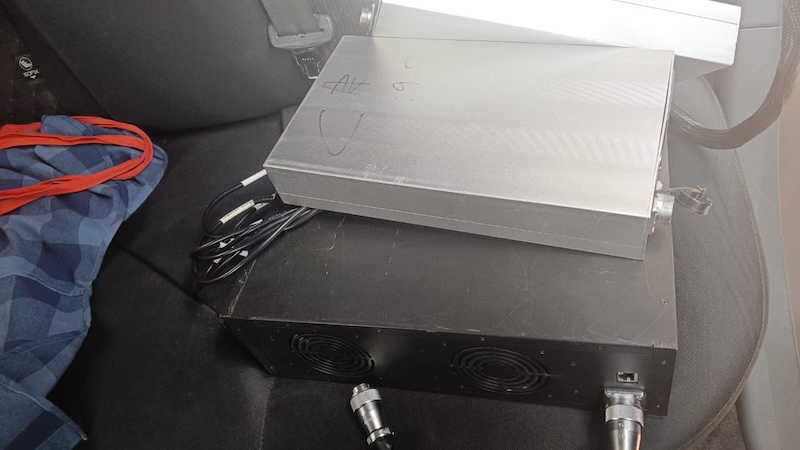
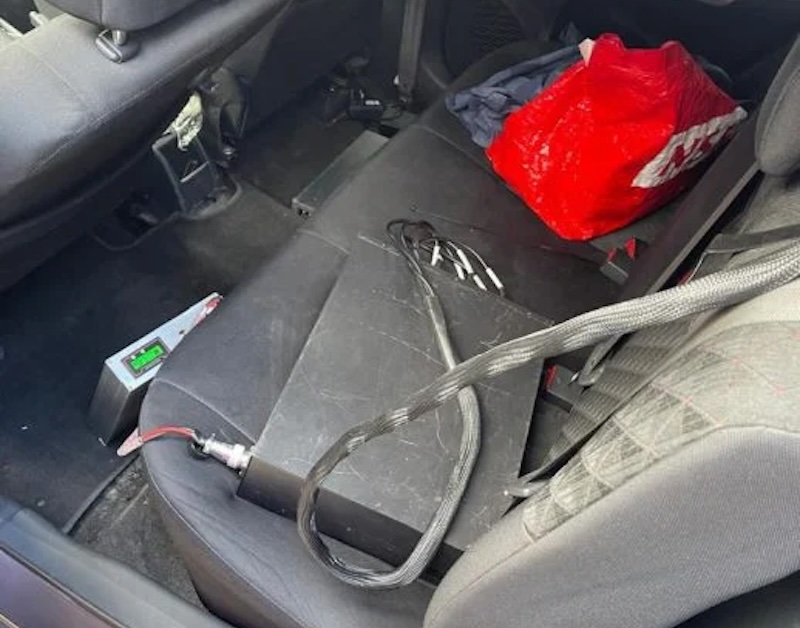
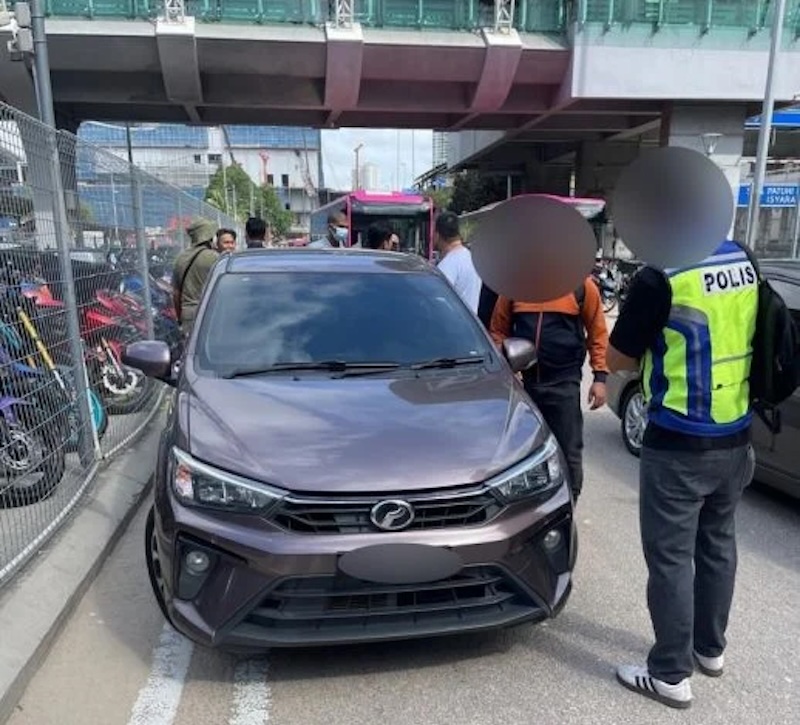
The MCMC announced this week they had also disrupted an SMS blaster operation in Johor Bahru, the Malaysian city next to Singapore. Few details were provided except that the Johor Bahru SMS blaster was being carried around in the back of a car and was reportedly used to send messages that contained ‘misinformation’. The driver was detained for questioning. He is said to have been paid a daily wage by the criminals who hired him. His car was stopped in the Bukit Chagar region of Johor Bahru, which is an especially busy commuter hub. On a typical day, around 350,000 people will cross the border between Singapore and Malaysia via the causeway adjacent to Bukit Chagar. This matches a pattern where SMS blasters have also been found near commuter transport hotspots in London, São Paulo and Tokyo.
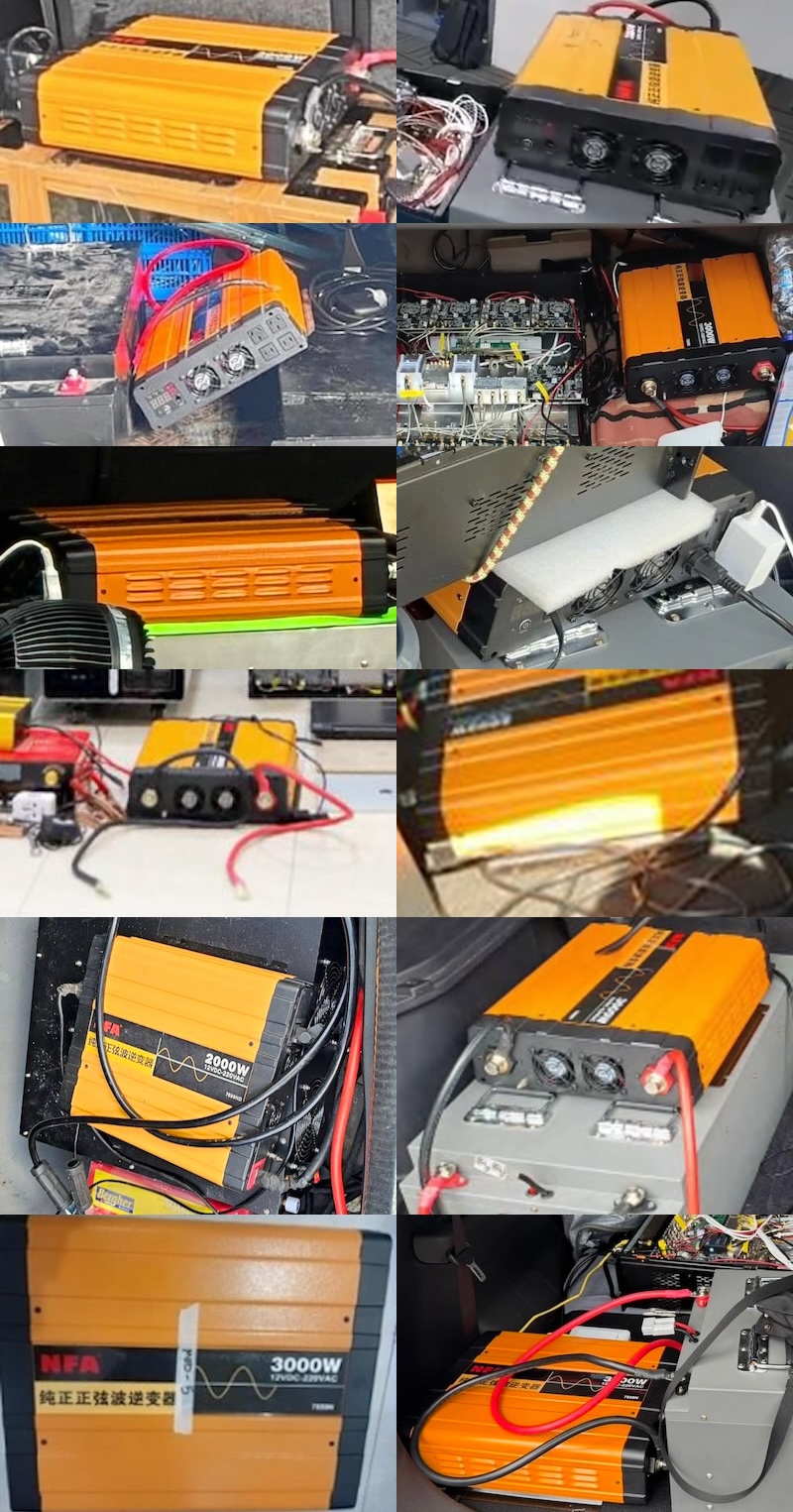
Photographs shared by the MCMC show the criminals in Genting Highlands powered their rogue base stations with the same distinctive orange DC-to-AC power converter, as manufactured by Chinese business NFA, that has also been seen with SMS blasters in other countries. Photographs of this power converter should be shown to traffic cops just like photographs of wanted criminals. This will not turn the average police officer into an expert in fraud, but it will help them to proactively recognize potential crime without the need for extensive training. MCMC shared images of the equipment they found in Genting Highlands; these are reproduced at the bottom of this article, along with photographs of NFA power converters seen in other countries.
These cases have been added to the SMS blaster map on the Commsrisk Global Fraud Dashboard. We update our map with the results of AI-powered searches of news executed on a daily basis, making our map the most comprehensive of its kind. Please support the development of new maps and graphs for the Global Fraud Dashboard by donating to our crowdfunding drive; learn more here.
The MCMC issued a media statement about the Genting Highlands bust which you can read here. Their statement about the Johor Bahru bust is here. Look immediately below for two photographs shared by the MCMC from the Genting Highlands bust, then photographs from Johor Bahru, and continue to the bottom of the article for a comparison of the Genting Highlands power converter with others found around the world.
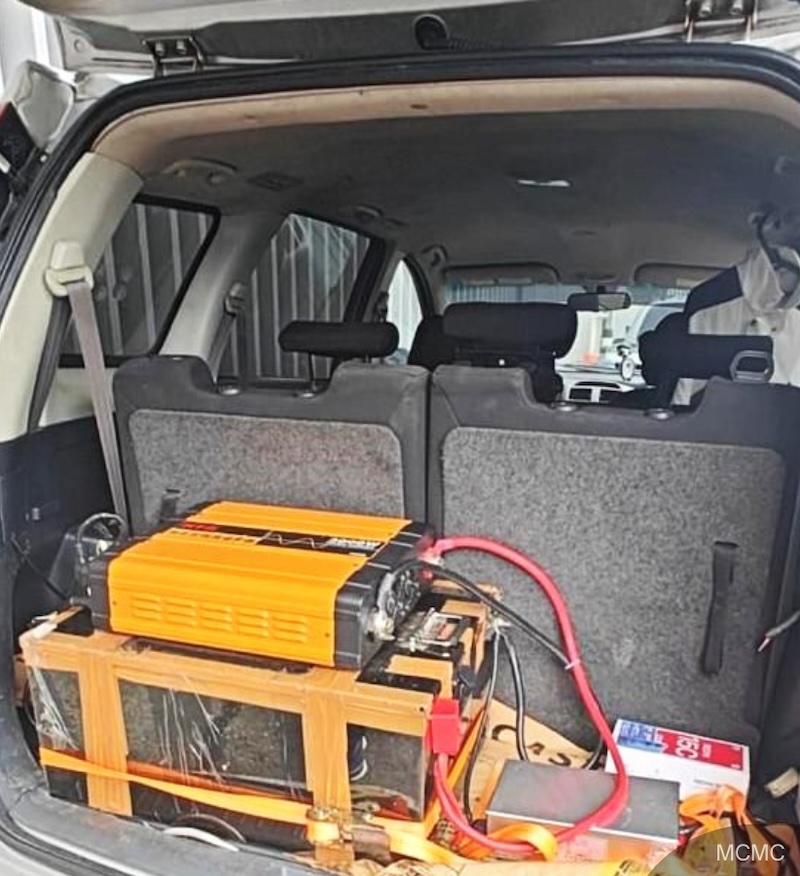
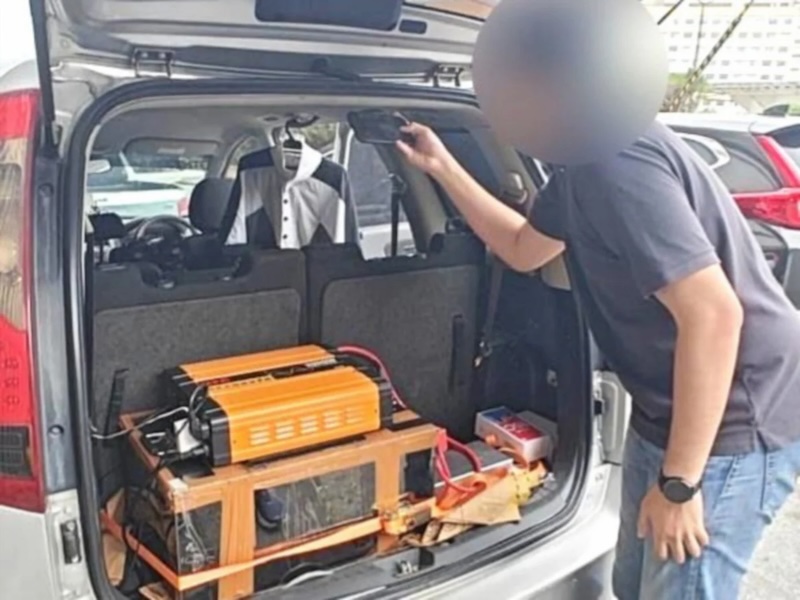
The next three photographs are from the Johor Bahru bust.
The following image compares the power converter photographed by MCMC in the Genting Highlands (top left) with devices previously found alongside SMS blasters in (clockwise from top right): the Klang Valley within Malaysia; Greece; Thailand; Türkiye; UK; Manila in the Philippines; Bulacan in the Philippines; Serbia; Qatar; Japan; and Hong Kong.